
How DTC Brands Can Reclaim Import Duties (Duty Drawback 101)
If you import product into the US and later export some of it, the government will refund most of the duties you paid. This program is called duty drawback, and duty drawback for ecommerce brands is one of the most overlooked sources of cash we see. Most brands that qualify have never filed a claim. Many have never heard of it.
This guide walks through how the program works, who qualifies, why so few brands take advantage of it, and how to figure out whether it's worth pursuing for your business.
What is duty drawback?
Duty drawback is a US Customs and Border Protection program that refunds up to 99% of the duties, taxes, and fees you paid on imported goods that are later exported or destroyed. It has existed since 1789. Congress created it to keep US companies competitive when they re-export goods, and it applies just as well to a modern DTC brand as it did to 18th-century merchants.
The most common type for consumer brands is unused merchandise drawback. You imported finished goods, paid duties at the border, and then exported some of those goods without using them in the US. Those exported units qualify for a refund.
You can also look backward. Claims can generally be filed up to five years from the original import date, which means your first filing can cover years of past shipments, as detailed on the CBP drawback program page.
When duty drawback applies to ecommerce brands
Duty drawback for ecommerce brands usually shows up in a few specific situations.
You ship US inventory to Canadian customers
This is the big one. If you import into the US and then fulfill Canadian orders from your US warehouse, or transfer inventory to a Canadian 3PL, those units left the country. The duties you paid on them are recoverable. Brands expanding into Canada often stumble into five-figure refund opportunities without realizing it.
You sell through international marketplaces or retailers
Wholesale orders to retailers abroad, transfers to international Amazon marketplaces, and exports to distributors all count as exports for drawback purposes.
You destroy unsellable inventory
Goods destroyed under CBP supervision can also qualify. If you regularly write off damaged or expired product, those duties may be recoverable too.
Why most brands never file
The refund math is compelling, so why does so much of this money go unclaimed? A few reasons come up again and again.
Nobody owns it. Finance assumes ops is handling it. Ops assumes the customs broker is handling it. The broker was never asked. Drawback sits in the gap between departments, and money that nobody owns doesn't get collected.
The process is slow and document-heavy. A claim requires matching export records to specific import entries, and CBP can take months to process filings. Brands look at the paperwork and quietly move on, even when the recoverable amount would justify the effort many times over.
The rules feel intimidating. Materiality thresholds, filing formats, and recordkeeping requirements are real, but they are learnable. This is a process problem, not a mystery. And process problems can be turned into systems.
The importer of record catch
Before you get excited about a refund, check one thing: who is the importer of record on your shipments?
If your manufacturer or supplier imports on your behalf and acts as the importer of record, the drawback rights may belong to them, not you. They can transfer those rights to you, but that requires cooperation and paperwork. This single detail determines whether a claim is worth pursuing, so verify it first. It's the difference between a straightforward filing and a negotiation.
Canadian-bound shipments add one more wrinkle. Canada runs its own duties relief and drawback programs, and access to the CARM portal is required to manage them. If you're recovering duties on both sides of the border, the two processes run separately.
How much money is actually here?
It depends on three numbers: your duty rate, your export volume, and how far back your records go.
A brand paying 15% duties that ships $500,000 of US-imported inventory to Canada each year is leaving roughly $75,000 on the table annually, before the five-year lookback. Even at lower duty rates and volumes, refunds commonly land in the five figures. With tariff rates where they are today, the math has only gotten better.
How to find out if it's worth it
You don't need to commit to anything to answer this question. It takes about an hour with your import entries and export records to estimate the recoverable amount and confirm the importer of record status.
That's how we approach it at Izba: a short assessment first, so you know the size of the opportunity before spending anything on recovery. If the number is small, you'll know quickly and move on. If it's meaningful, you'll have a clear path to file, along with a system your team can run going forward. We fix the right things, in the right order, at the right pace.
If your brand ships US inventory across the border and you've never filed a drawback claim, start with the hour of digging. It may be the best-paid hour on your calendar this quarter.
Related Insights
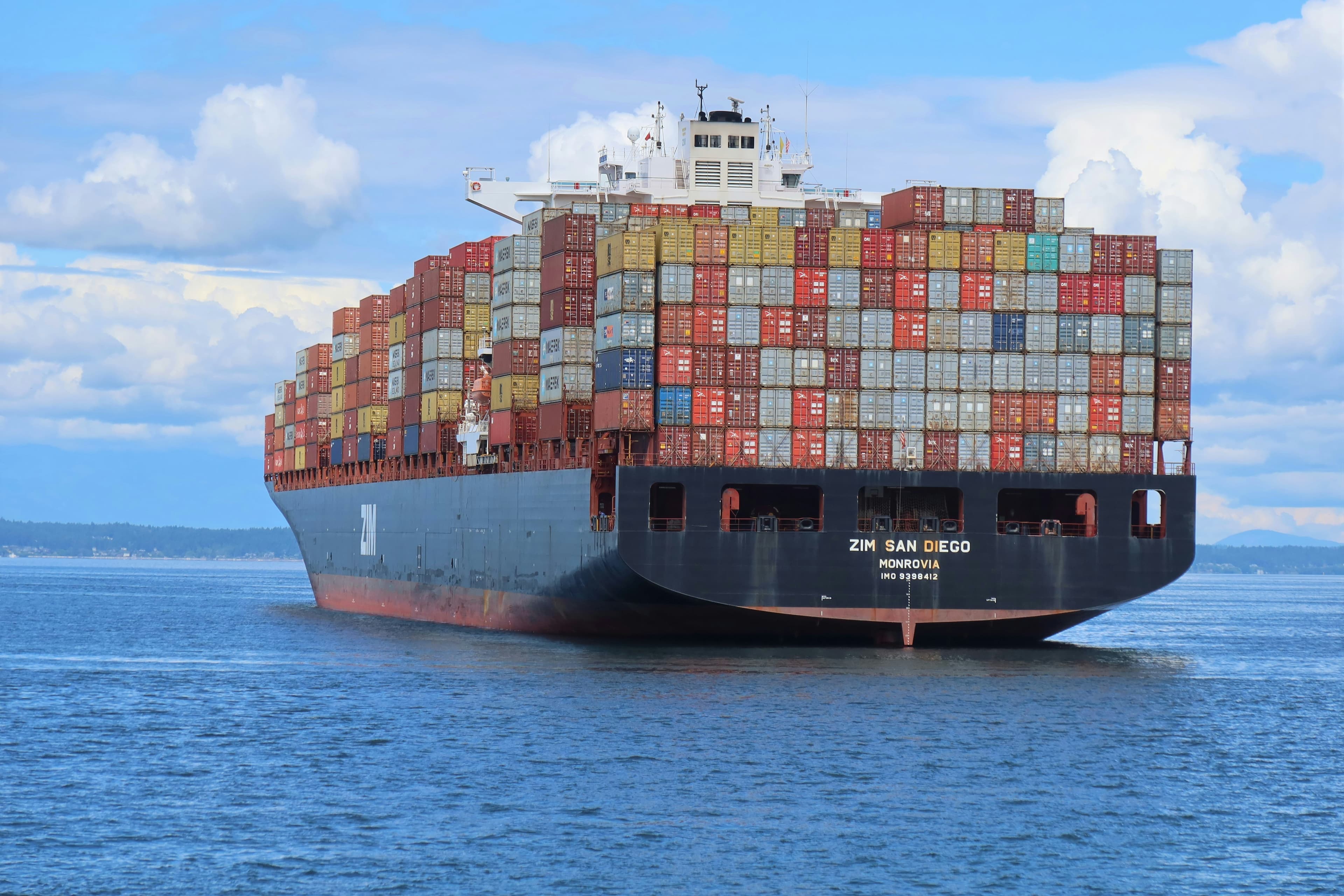
FOB vs. Landed Cost: Why the Price on Your Supplier Invoice Isn't What You're Actually Paying
Your factory invoice says one number. Your real cost per unit is another. Here's what closes the FOB vs. landed cost gap, and how to calculate yours before you set a price.
How to Avoid Retail Chargebacks Before Your First Shipment
Most first-shipment chargebacks are preventable. Here is how to avoid retail chargebacks before your first shipment, and the five compliance areas that cause most of them.
How to Build an S&OP Process for a DTC Brand (Without an Enterprise Team)
Most S&OP guides assume a demand planner and an ERP system. Here is a right-sized S&OP process for a DTC brand doing $2M to $20M: the monthly cadence, roles, and data you actually need.